

Restorative Practices at Bellevue College
February 22, 2024 - 7:39 am
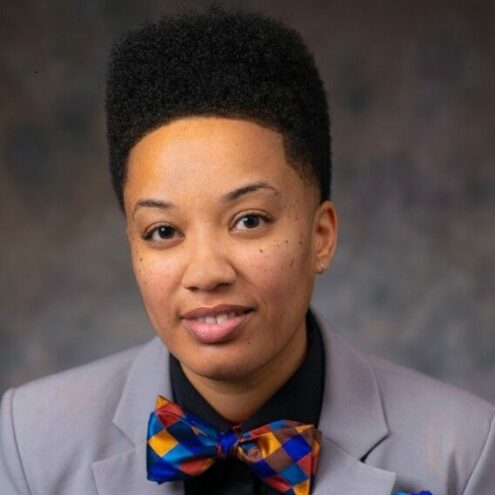
What do you do when power dynamics cause harm at work, school, or home? These moments can feel isolating, particularly when the person who caused harm holds authority over you. Bellevue College Restorative Practices offers a clear framework for moving through that experience with accountability and intention.
Michelle Strange serves as Director of Bellevue College Restorative Practices. Under her leadership, the program does two things well: it proactively builds community before harm occurs, and it responds thoughtfully when harm happens. So far, the program has trained twenty on-site restorative facilitators. Additionally, twenty more are in the pipeline — people trained specifically to hold space and guide restorative circles in response to harm.
KBCS spoke with Strange about restorative practices at an institution. In this conversation, she explains what accountability really means in practice and how Audre Lorde’s words of wisdom shape her approach.
Restorative Practices at an Institution: An Overview
Working Through a Restorative Case → Bellevue College Restorative Practices: After Harm
91.3 KBCS · 91.3KBCS 20240223 Restorative Practices After Harm Michelle Strange
Restorative Practices Resources
Restorative Responses to Harms You’ve Caused
Producer: Yuko Kodama | Photo: Bellevue College